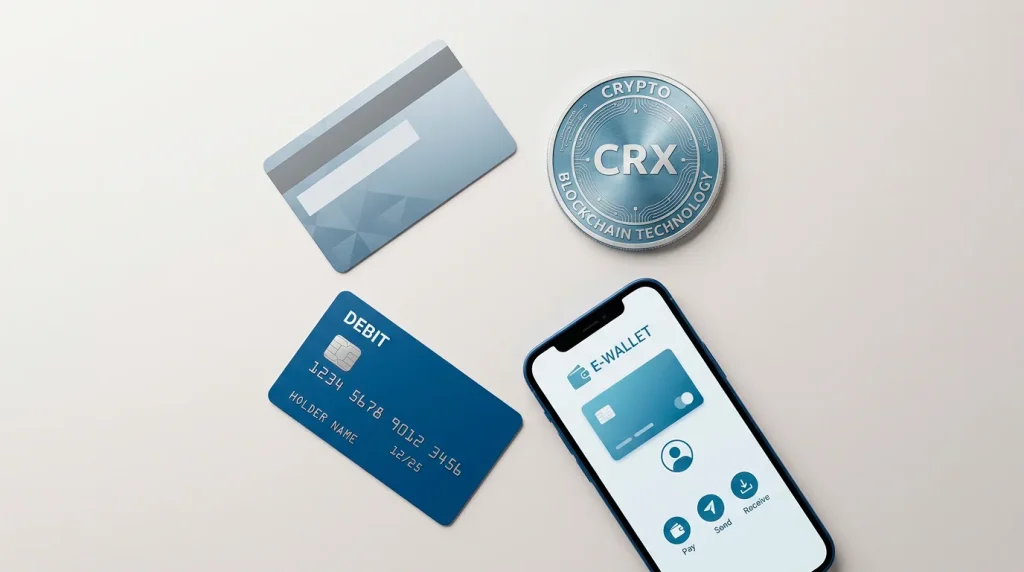
Compare Payment Methods UK Players Use at Non-GamStop Sites

How you pay at a casino tells you a lot about the casino. At UK-licensed sites the payment mix reflects UK rules; offshore, the mix reflects what is needed to move money past those rules. Reading the methods as signals, rather than features, is the most useful thing a UK player can do before funding any account. All amounts here are in pounds sterling (£).
Compare the UK-Licensed Payment Baseline
Start with what normal looks like inside the UK-licensed estate, because it is the benchmark everything offshore is measured against. Visa and Mastercard debit cards dominate, largely because the Commission banned credit-card deposits for licensed operators in April 2020, leaving debit as the default card route.
Beyond cards, PayPal is the leading e-wallet, offering instant deposits and withdrawals usually processed within 24 hours. Apple Pay and Google Pay are growing fast among mobile users, Open Banking and instant bank transfer through providers such as TrueLayer and Token.io are rising on newer sites, and Paysafecard, Skrill, and Neteller fill secondary roles.

The headline point is that everything here operates inside the UK framework. The methods are mainstream, the processing is transparent, and disputes route through systems UK consumers can use.
Spot the Credit-Card Safeguard That Offshore Sites Drop
The April 2020 credit-card ban was a deliberate harm-reduction measure. Its purpose was to stop people gambling with borrowed money, a known driver of harm, and it applies to every UK-licensed operator without exception.
Offshore operators are not bound by it. Because the ban is a UKGC licence condition, a site licensed abroad can accept credit-card deposits, which means a protection UK players have by default simply is not there. An offshore site advertising credit-card deposits is not offering a perk; it is advertising the absence of a safeguard.
Verify Why UK Banks May Block These Payments
UK banks and card issuers increasingly let customers switch on gambling-transaction blocks, and they may decline payments to offshore gambling sites as a matter of policy. This is not an accident or a glitch; it is the banking system applying the same harm-reduction logic the regulator uses.
The practical consequence is that offshore operators cannot rely on ordinary card and bank rails the way UK-licensed sites can. That pressure is the direct cause of the offshore payment mix described below, where the methods exist primarily to route around blocks rather than to serve the player.

Compare E-Wallets and Prepaid Vouchers Offshore
To get around bank friction, offshore sites lean on e-wallets and prepaid options. Skrill, Neteller, and Paysafecard appear frequently because they add a layer between your bank and the gambling site, which can let a transaction through where a direct card payment would be declined.
That intermediary layer is exactly what makes these methods attractive to operators outside UK rules, and it should make a player cautious rather than reassured. A prepaid voucher also strips out the chargeback and dispute protections that come with a regulated card payment, so if a withdrawal is refused you have fewer ways to recover funds. The same deferred-verification dynamic that turns cash-out into a problem is covered alongside tax on winnings explained on the dispute page.

Spot Why Crypto Is Common Offshore and Absent on UK Sites
Cryptocurrency, typically Bitcoin, Ethereum, or stablecoins such as Tether, is a defining feature of the offshore payment mix and is effectively absent on UK-licensed sites. The contrast is not a coincidence: crypto sidesteps the bank and card systems that block offshore gambling payments, and it sits outside the UK affordability and source-of-funds checks built into the regulated estate.
For a UK player, crypto removes two safeguards at once. There is no chargeback if a payment goes wrong, and there is no bank intermediary applying gambling-harm controls. A casino that is crypto-first is a casino built to operate outside the UK framework, which loops directly back to the wider question of the wider safety risks at any site beyond UKGC reach.

Choose to Read Payment Options as Risk Signals
Pulling the threads together gives a simple rule of thumb. A method that exists to dodge a bank block, strip out chargeback rights, or bypass affordability checks is not a feature in your favour, even when it is fast and convenient.
The questions worth asking before you fund any account are practical: does the method preserve a dispute or chargeback route, does it keep a bank intermediary in place, and would your UK bank knowingly allow it. Where the answer is no, the convenience is really the absence of a protection. Reading deposits and withdrawals this way is the same discipline as understanding casinos not on GamStop as a whole: the appeal and the risk are usually the same fact.

Spot the Safety Risks at Casinos Not on GamStop
Prepared by the Casino not on GamStop editorial staff.