
Casinos Not on GamStop: How They Work and What UK Players Risk
 Available in GB
An evidence-led look at the offshore sites that sit outside Britain's national self-exclusion scheme - what they are, why people search for them, and the protection that disappears when you use one.
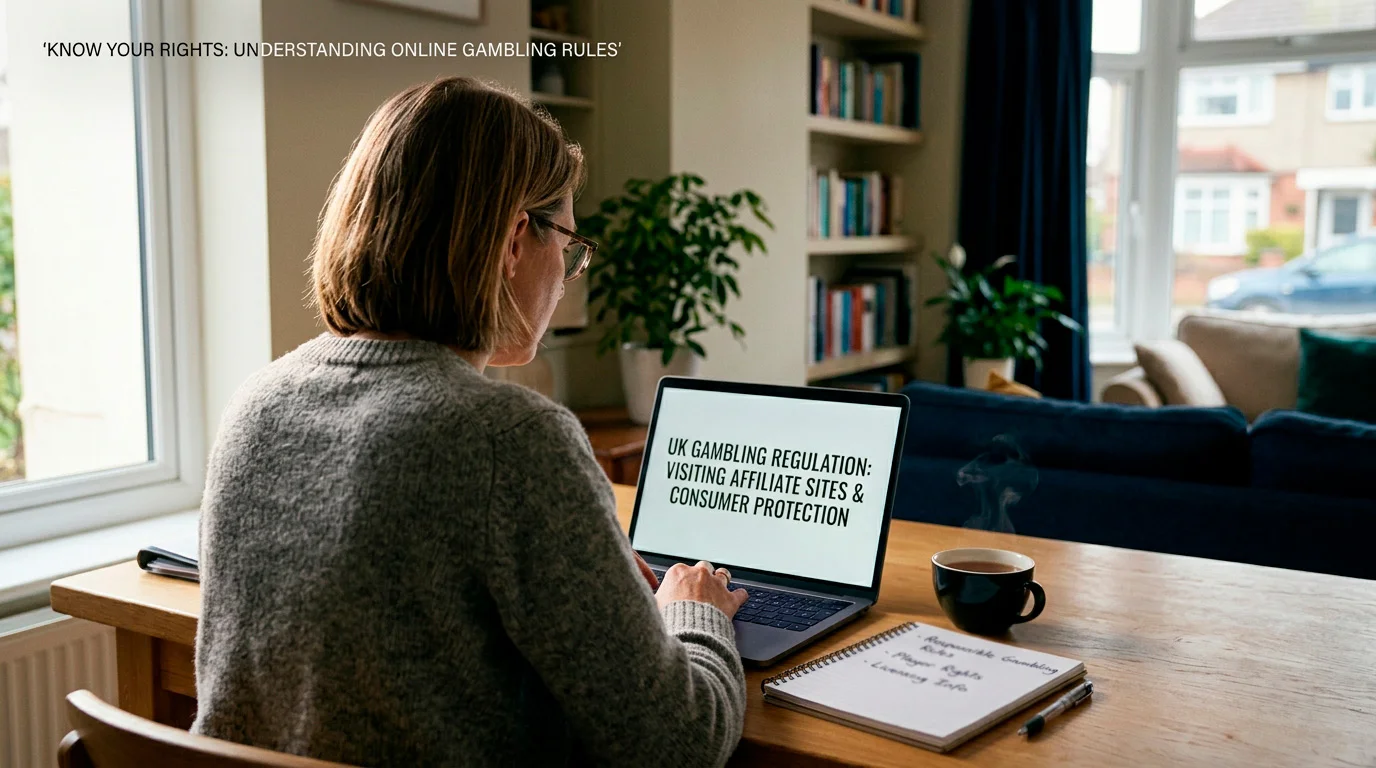
The short version for UK readers
- GamStop is the UK's national online self-exclusion scheme, operated by The National Online Self-Exclusion Scheme Limited (NOSES). More than 562,000 people had registered by the end of 2025.
- It only reaches operators licensed by the UK Gambling Commission. Sites licensed in Curacao, Anjouan, Costa Rica or Kahnawake sit outside its technical and legal scope - that gap is the whole story behind the phrase.
- It is not a criminal offence for a UK player to gamble at an offshore casino, but you lose UK recourse, UK dispute resolution, fund-segregation guarantees and responsible-gambling safeguards.
- The dominant real-world reason people search for these sites is to gamble while self-excluded - the highest-risk situation of all.
- This page does not rank or recommend operators. The most-marketed brands trace back to a single offshore network that UK trade reporting flags as black-market.
- If you are tempted while excluded, the constructive route is the legitimate removal process and device-level blocking, not an offshore account.
How the Operator Landscape Is Structured
This site does not publish a ranked table of named operators. After verification against non-affiliate sources, no offshore casino marketed to UK players met the bar for a clean, recommendable listing - so the honest way to map the niche is by category rather than by brand.
The clearest organising axis is licensing jurisdiction. Most sites aimed at British players hold a Curacao licence, with smaller numbers under Anjouan, Costa Rica or Kahnawake, and a higher-credibility minority under Malta that hold no UK licence. Credibility descends roughly from Malta, through Curacao after its 2024 reforms, to Kahnawake, Anjouan, and finally Costa Rica, where there is effectively no gambling regulator at all.
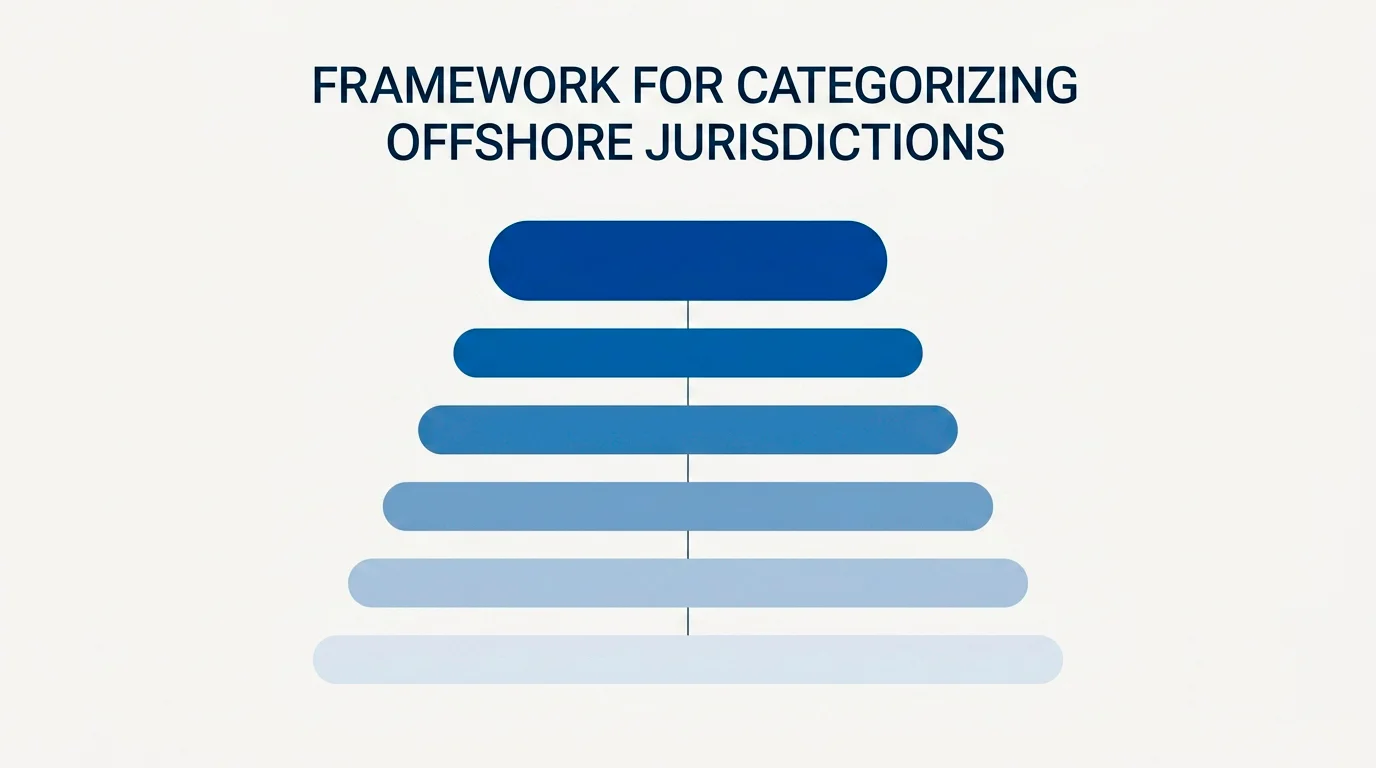
A second axis is specialisation. Some sites position themselves as slots-only, others as live-casino-led, and a growing share are crypto-first. These shapes exist because UK rules restrict the very features they advertise - bonus-buy slots, high-volatility mechanics, crash-style games and crypto banking are limited or absent on UK-licensed sites.
A third axis is market-entry era. A longer-established cohort predates the tightening of UK rules, while a newer wave grew up specifically after GamStop became a mandatory licence condition in 2020 and after the 2025 stake limits and financial-risk checks. The newer entrants tend to lean hardest on the "not on GamStop" message.
The final axis is risk profile, and it cuts across all the others: absence of UK player protection, dispute resolution with little enforcement, deferred identity checks used to stall withdrawals, and corporate networks that rotate entities to shed accountability. You can read these categories in depth on the categories of operators in this niche page. Because verification did not produce a sufficient set of clean operators, this site deliberately publishes no by-name list - a category map is more honest than a brand ranking the evidence cannot support.
Spot How GamStop Blocks Access
GamStop is a database-driven scheme. A person registers at gamstop.co.uk with personal identifiers - name, date of birth, email, postal address and mobile number - and chooses an exclusion period.
Every operator licensed by the UK Gambling Commission is legally required to check new and existing accounts against that database in near real time and block anyone registered. A single sign-up therefore applies across the whole UK-licensed estate, reported as more than 300 websites.

Exclusion lasts 6 months, 1 year or 5 years. A "5 years with auto-renewal" option arrived at the end of 2024 and behaves as an effective lifetime block unless the user opts out; by December 2025 more than half of those choosing the minimum five-year term were selecting auto-renewal.
The defining limitation is simple: GamStop reaches only UK-licensed operators. It has no technical or legal hold over a site licensed abroad. That single fact is what the entire "not on GamStop" market is built around, and it is explained more fully on the dedicated page about how GamStop works and where its reach ends.
GamStop at a glance
- Launched
- April 2018; mandatory UKGC licence condition since 2020
- Operator
- The National Online Self-Exclusion Scheme Limited (NOSES), not-for-profit, free to the user
- Registered
- More than 562,000 people by the end of 2025
- Most chosen term
- Five years, selected by 47% of registrants in 2025
Why Offshore Sites Exist at All
The search intent behind this phrase is not uniform. It splits into a few overlapping motivations, and being honest about them matters more than any feature list.
The dominant driver is self-exclusion circumvention. A significant share of the traffic comes from people currently under a GamStop exclusion who want to gamble despite it. This is the highest-risk cohort, and it is precisely the audience offshore marketing targets.

A second group runs into UK friction: affordability and financial-risk checks, online slot stake limits introduced in 2025, the credit-card deposit ban from April 2020, and bonus restrictions. Some people look offshore to avoid these controls rather than because of any exclusion.
A third group simply wants features UK rules limit - higher stakes, larger bonuses, bonus-buy slots, crypto banking and lighter sign-up checks. Whichever motivation applies, the trade-off is the same loss of protection covered below.
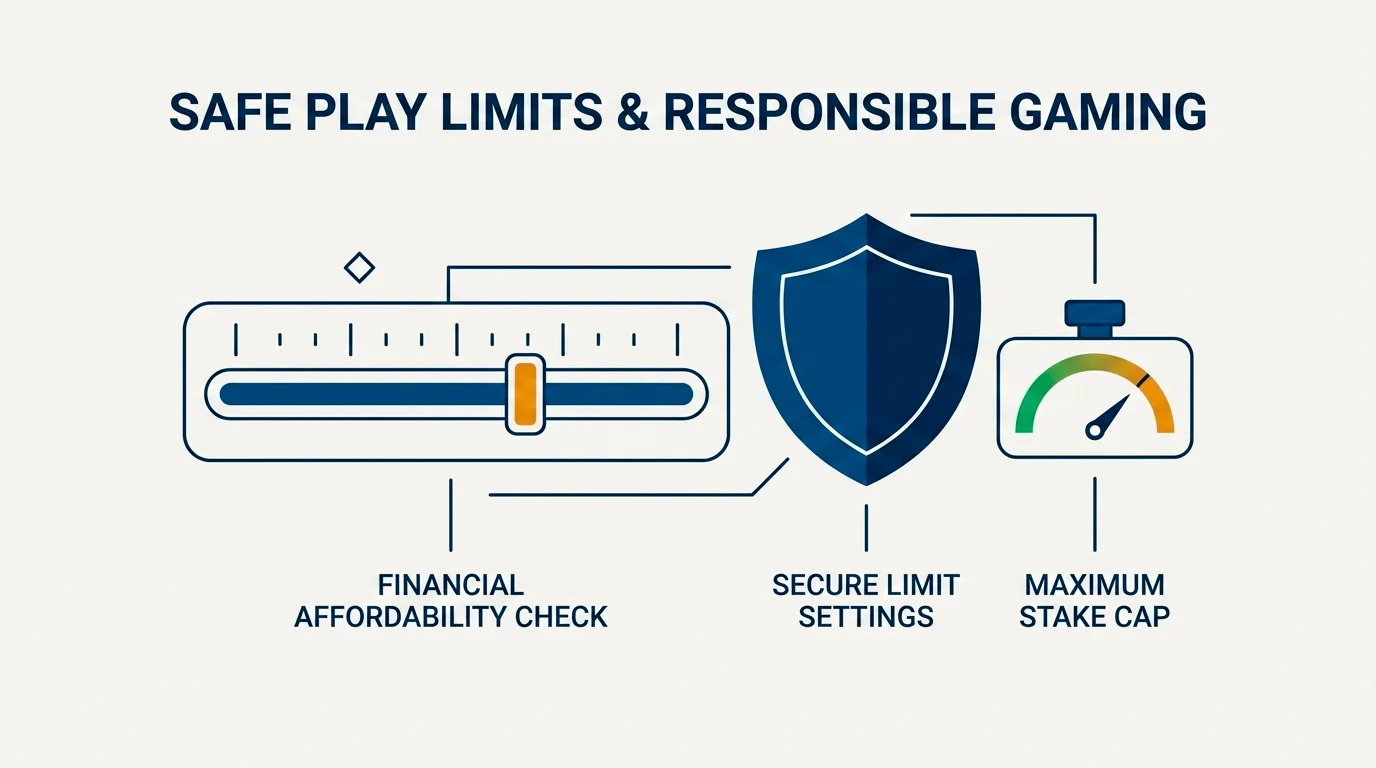
Verify the Legal Status Before You Assume Anything
Online gambling in Great Britain is governed by the Gambling Act 2005, enforced by the UK Gambling Commission and resting on three licensing objectives: keeping gambling crime-free, fair and open, and protecting the vulnerable. You can read the statute itself on legislation.gov.uk.
The Gambling (Licensing and Advertising) Act 2014 added the point-of-consumption rule: any operator serving or advertising to customers in Britain must hold a UKGC licence wherever it is based. That is the hook that makes offshore sites serving UK players unlicensed in UK terms.
The point that matters most
It is not a criminal offence for a UK resident to gamble at an offshore casino - UK law targets operators, not players. The cost is not legal jeopardy; it is the loss of every UK consumer-protection safeguard, and for anyone under active self-exclusion, the defeat of the protection they themselves chose.

The 2023 Gambling Act Review White Paper, "High stakes: gambling reform for the digital age", was published on 27 April 2023. It is a policy document and a precursor to secondary legislation, not the Act itself - a distinction worth keeping clear. Subsequent 2025 regulations gave effect to parts of it, including the statutory levy and online slot stake limits.
For the practical consequences of going offshore, see the safety risks at non-GamStop sites, where the loss of UK player protection is set out in detail.
Compare the Offshore Licensing Jurisdictions
Because jurisdiction is the primary risk marker, it is worth knowing what each licence actually means. None of them delivers UKGC-equivalent fund segregation, dispute resolution or affordability safeguards.
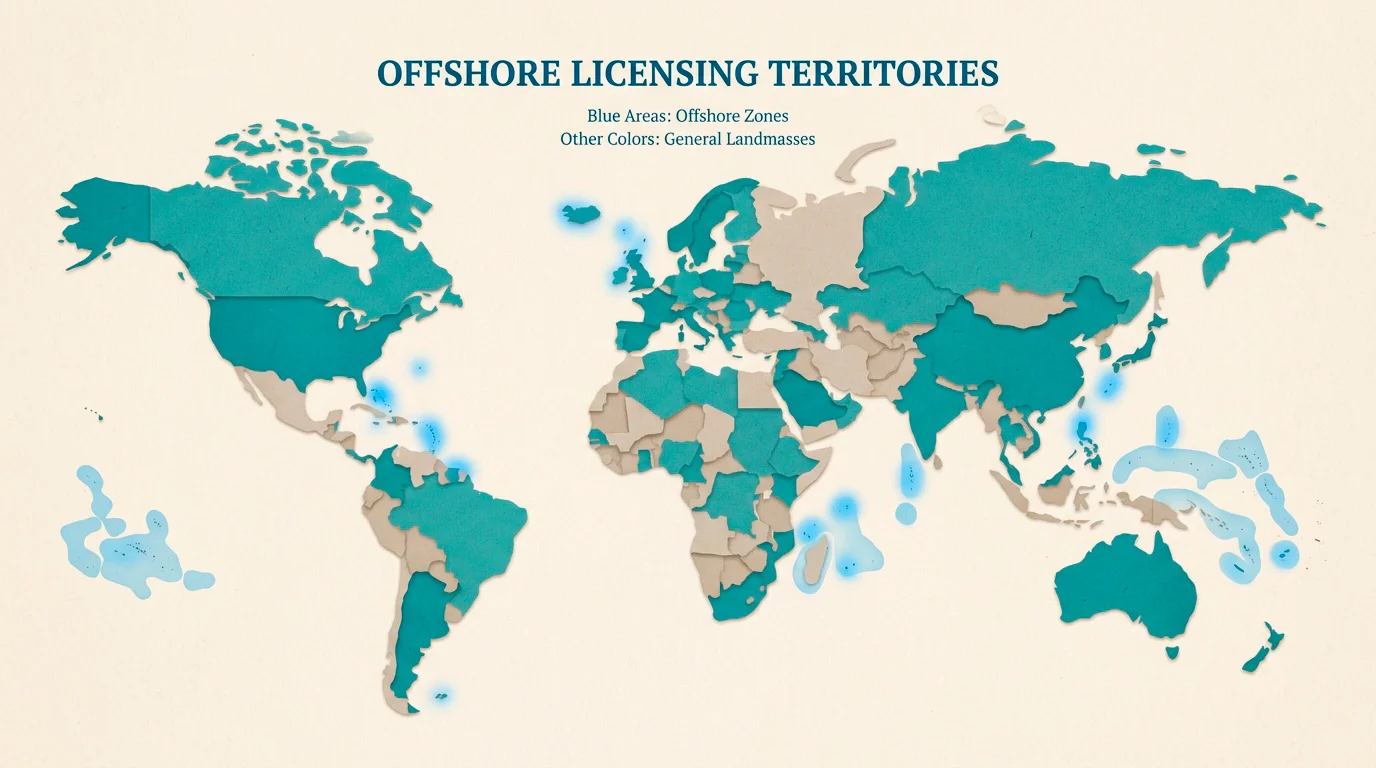
Jurisdictions in brief, most to least credible
- Malta (MGA)
- EU-based, higher standard, public register at mga.org.mt. Some MGA brands hold no UK licence - more credible than the rest, still outside UK protection.
- Curacao
- The National Ordinance on Games of Chance (LOK) took effect on 24 December 2024, centralising direct licensing under the Curacao Gaming Authority. Still low-cost and fast; the standard B2C licence permits crypto.
- Kahnawake
- Mohawk Territory, Canada. Requires primary servers hosted locally; longer-established but niche.
- Anjouan
- Union of the Comoros. Very low cost, no local-staff requirement, no gaming-revenue tax, fast processing - and correspondingly low credibility and banking acceptance.
- Costa Rica
- No dedicated gambling regulator. Operators run on a general business permit, so the activity is effectively unregulated for gambling purposes.
The takeaway is that a licence number on a footer is only the start of a check, not the end of one. A full comparison sits on the offshore licensing jurisdictions hub, and the practical method is on how to verify an offshore licence.
Avoid the Money Traps at Non-GamStop Sites
Safety here is best understood as the protection you give up. There is no recourse to the UK Gambling Commission, no UK-approved alternative dispute resolution, and no UK-mandated guarantee that your deposits are segregated from operating funds.
Identity verification is the recurring flashpoint. Offshore sites often run light checks at sign-up and defer full KYC until your first withdrawal, which is exactly where payout disputes tend to surface.

Payments carry their own friction. UK banks and card issuers may block transactions to offshore gambling sites, so operators lean on e-wallets, prepaid vouchers and crypto. The UKGC credit-card ban from April 2020 does not bind offshore operators, so some accept credit cards - removing a harm-reduction safeguard rather than adding a convenience. The detail is on payment methods UK players use.

On winnings, the news is genuinely reassuring and often misused. UK gambling winnings are tax-free for players, with no income tax and no capital gains tax, wherever the operator is based - a position resting on the principle in Graham v Green (1925) that gambling is not a trade. But tax-free is not the same as protected, as the page on withdrawal disputes and tax on winnings explains.
Weigh the Trade-Offs Without the Sales Pitch
Affiliate listings tend to lead with the upside. Set against an honest account of the downside, the picture is far less one-sided.
What these sites are marketed on
- Larger, less-restricted bonuses than UK rules allow
- Higher stake and deposit limits
- Bonus-buy and high-volatility slot features restricted in the UK
- Faster sign-up and crypto banking
- Access while a UK account is restricted
What you actually give up
- No UKGC protection and no UK dispute-resolution pathway
- Weaker or absent fund-segregation guarantees
- Lighter regulation of fairness and advertising
- Documented withdrawal-dispute patterns at some operators
- Open access for anyone in active self-exclusion
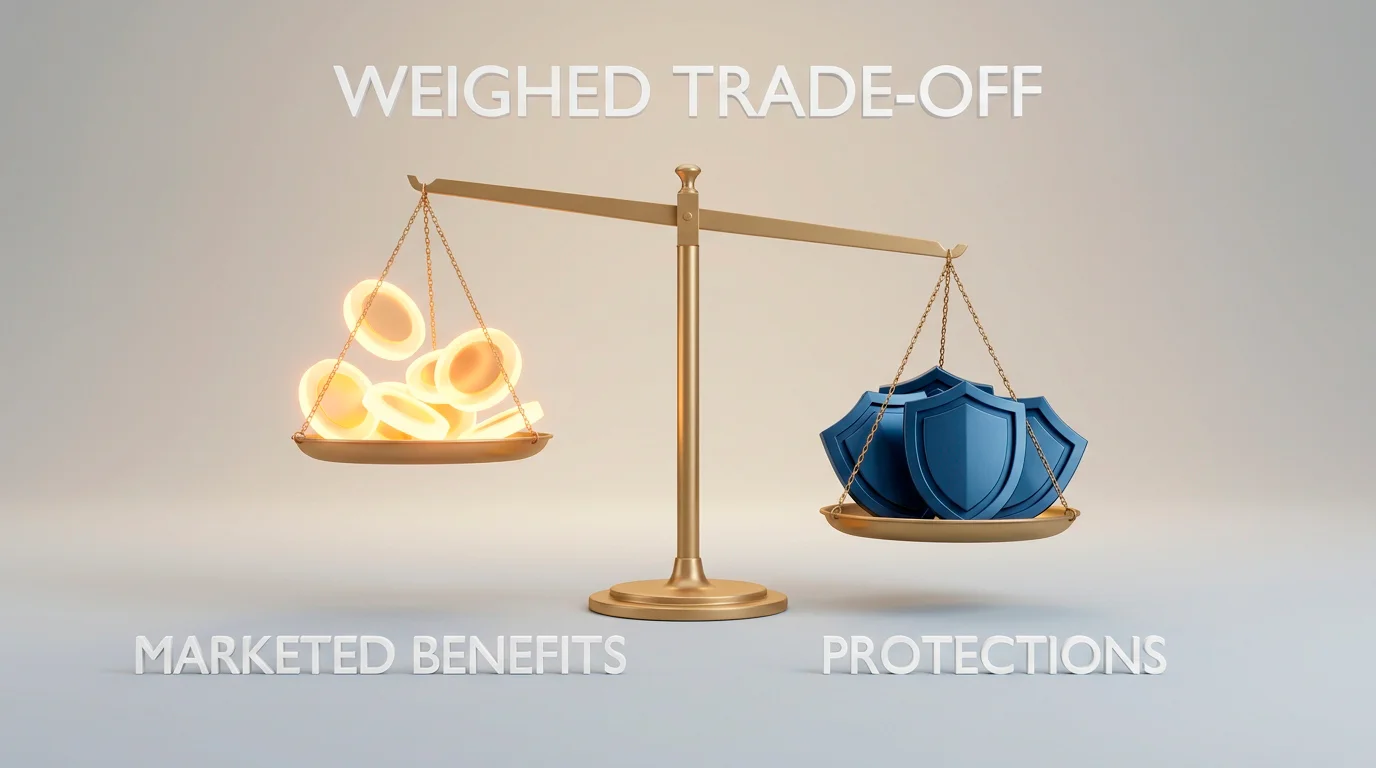
For the cohort that dominates this keyword - people under an active exclusion - none of the marketed advantages outweighs the single fact that using these sites defeats the protection they chose.
Trace How the Non-GamStop Segment Grew
GamStop launched in 2018 and became a mandatory licence condition in 2020. As coverage across the UK-licensed estate became comprehensive, a marketing segment formed around offshore operators positioning themselves to British players through the "not on GamStop" phrase.

That growth maps closely onto the rising self-exclusion numbers. Registrations topped 10,000 in a single month for the first time in April 2025 and again in May 2025, and the 16-24 age group rose 40% in the second half of the year. The audience the offshore segment targets is precisely the one growing fastest.
Practical Takeaways for UK Players
If you are under an active GamStop exclusion, treat that as a closed question. There is no legitimate workaround, and using an offshore site defeats the very protection you chose. The constructive path is device-level blocking, support, and the proper removal process once your term ends.
If you are not excluded and are simply weighing the trade-offs, verify before you do anything: check the licence on the issuing regulator's public register, read the withdrawal and KYC terms, and assume that crypto-only or credit-card acceptance is a risk signal rather than a feature.
Above all, keep the legal and protection questions separate. Gambling at an offshore site is not a player offence, and your winnings stay tax-free - but neither fact restores the UK recourse you give up the moment you sign up.
Common Questions UK Players Ask
Are casinos not on GamStop legal in the UK?
It is not a criminal offence for a UK resident to gamble at a casino licensed outside Great Britain. UK gambling law targets operators, not individual players. The operators are unlicensed in UK terms if they accept British customers, and the player loses every UK consumer-protection safeguard.
Can I gamble if I am registered with GamStop?
Every UKGC licensee must check you against the GamStop database and block you. Offshore sites are not connected to it, which is the gap the niche exploits. Using them while self-excluded defeats the protection you chose; the constructive route is device-level blocking and support.
How do casinos not on GamStop work?
They hold a licence from a jurisdiction outside Great Britain, such as Curacao or Anjouan, so they are not bound by UK Gambling Commission conditions and never run the GamStop database check that British-licensed operators must.
Are non-GamStop casinos safe?
Read safety as the protection you lose: no recourse to the UK Gambling Commission, no UK-approved dispute resolution, no UK fund-segregation guarantee, and weaker oversight of fairness and advertising.
Can I cancel or bypass GamStop early?
No. GamStop cannot be lifted before the chosen minimum period ends. After that, removal requires a phone call, identity verification, and a mandatory 24-hour cooling-off period before UK-licensed operators will accept you again.
Do I pay tax on winnings from an offshore casino?
No. Gambling winnings are tax-free for players in the UK, with no income tax and no capital gains tax, regardless of where the operator is based. The duty burden sits on operators.
Prepared by the Casino not on GamStop editorial staff.